Dynamic Creative Optimization has become essential for small businesses competing in crowded digital markets. While large enterprises have used DCO for years, today’s tools make this technology accessible to companies with limited budgets and lean teams. This guide shows how global SMEs and sole proprietors can harness automated personalization to boost engagement without hiring specialized agencies. You’ll discover practical implementation steps, budget-friendly tools, and strategies to prevent creative fatigue while maximizing return on every advertising dollar.
Understanding Dynamic Creative Optimization vs. Static Advertising
Traditional advertising forces you to guess which single message might resonate with everyone. Static ads deliver fixed headlines, images, and calls-to-action to entire audiences, hoping something sticks. This approach wastes money showing irrelevant content to disconnected viewers. Dynamic Creative Optimization transforms this model by automatically assembling personalized ad variations for each individual based on real-time signals.
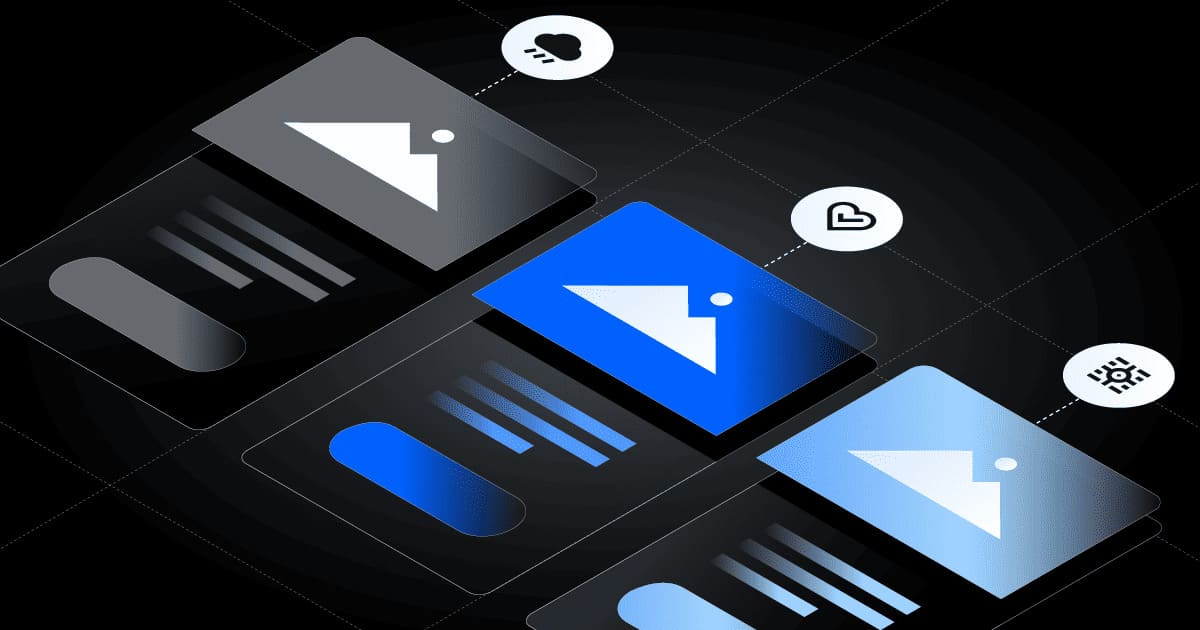
The core difference lies in adaptability. Static campaigns require manual creation of dozens of separate ads, each targeting narrow segments. A small business selling handmade jewelry might need distinct ads for wedding shoppers, gift buyers, and self-purchasers—consuming hours of design time. DCO platforms instead let you upload creative components once, then algorithmically combine them based on user behavior, location, device, and browsing history. The system might show a wedding-focused image with “Shop Bridal Collection” to one viewer while displaying a gift-oriented visual with “Perfect Presents Under $50” to another—all from the same initial asset pool.
Performance gaps between these approaches are striking. Personalized ads achieve 1.2 to 7.4 times higher short-term sales and 1.2 to 2.7 times better long-term results, according to Meta’s 2024 research. For a sole proprietor spending $1,000 monthly on ads, this could mean $200–$640 additional revenue without increasing spend. The technology also reduces production workload by 60–80%, freeing owners to focus on operations instead of constant creative refreshes.
How DCO Works: Machine Learning and Real-Time Personalization
Modern DCO systems operate through continuous data loops that would overwhelm manual management. The process begins when you feed creative assets—headlines, product images, value propositions, and call-to-action buttons—into the platform. The system then monitors user interactions across thousands of impressions, identifying which combinations drive engagement for specific audience micro-segments.
Machine learning algorithms analyze patterns invisible to human observers. They might discover that mobile users in urban areas respond better to urgency-driven headlines during commutes, while desktop viewers in suburban locations prefer detailed benefit explanations on weekends. The platform automatically shifts budget toward high-performing combinations while continuously testing new variants against emerging audience segments.
First-party data powers this personalization engine ethically and effectively. Unlike cookie-dependent methods, modern DCO thrives on information you already own: email engagement, purchase history, website behavior, and customer service interactions. A local accounting firm could segment audiences based on self-employed visitors who downloaded tax guides versus corporate managers who viewed audit services. The system then tailors ad messaging accordingly—”Maximize Your Deductions” for entrepreneurs versus “Ensure Compliance” for enterprises.
Implementation happens through two primary approaches. Rule-based systems let you manually define which creative elements appear for specific triggers—showing raincoat ads when weather data indicates precipitation. AI-driven platforms like Criteo’s DCO+ or Meta’s Advantage+ automatically optimize both content and design, selecting color schemes, product arrangements, and messaging hierarchy without human intervention. For SMEs, the AI approach eliminates the need for dedicated optimization specialists.
Implementing DCO on Meta and Google: A Practical Guide for Small Businesses
Starting with DCO requires minimal technical expertise if you follow a structured approach. Meta’s platform offers the most accessible entry point through its Dynamic Creative feature, available directly in Ads Manager. The implementation process takes under two hours for most small business owners, even without prior experience.
Step 1: Asset Preparation
Organize your creative components into clear categories. Prepare 3–5 distinct headlines that emphasize different benefits, 2–3 high-quality images or videos showing varied use cases, and multiple call-to-action buttons. Ensure all visuals meet platform specifications: 1080×1080 pixels for square formats, 1200×628 for landscape, and vertical ratios for Stories. Include your value proposition directly in the image—the average viewer processes visuals in 0.25 seconds, faster than reading text overlays.
Step 2: Campaign Structure
Select the “Sales” or “Traffic” objective in Ads Manager. At the ad set level, enable Dynamic Creative before uploading assets. This activation allows Meta’s system to test combinations automatically. Set audience parameters broadly initially; restrictive targeting limits the algorithm’s learning potential. Use Advantage+ placements to let the system optimize across Facebook, Instagram, Messenger, and Audience Network.
Step 3: Budget and Timeline
Allocate at least $20 daily per ad set to gather meaningful data within 7–14 days. The learning phase requires approximately 50 conversion events before optimization stabilizes. Resist the urge to pause campaigns during this period—early performance fluctuations are normal as the system experiments with combinations.
Step 4: Monitoring and Refinement
Review performance at the creative element level, not just overall campaign metrics. Meta’s breakdown reports reveal which headlines drive clicks, which images generate conversions, and which CTAs prompt purchases. Use these insights to inform your next asset batch. DV8 Offroad, an off-road parts retailer, reduced acquisition costs by 30% after identifying that visitor identification data improved audience matching by 23,000 prospects.
Google’s approach through Performance Max campaigns serves businesses with product catalogs. Connect your Google Merchant Center feed, and the system automatically generates ads across Search, Display, YouTube, and Maps. For service-based SMEs, responsive display ads achieve similar results by mixing and matching headlines with images based on user context.
Self-Optimizing Creative Agents: The Next Evolution for Resource-Strapped Teams. Instagram Story forward tap data feeds directly into AI creative agents, helping them learn which visual hooks stop skips and start engagement.
Self-optimizing creative agents represent a quantum leap beyond standard DCO automation. While basic DCO follows your rule sets, autonomous agents make independent strategic decisions using predictive intelligence. These AI systems function like dedicated marketing employees who never sleep, analyzing performance patterns and executing optimizations without awaiting human commands.
The distinction matters enormously for solo entrepreneurs. Traditional automation requires you to define triggers: “If cost per acquisition exceeds $50, pause the ad.” Self-optimizing agents instead analyze early warning signals—declining engagement rates, audience saturation, competitive pressure—and proactively launch fresh variants before performance collapses. They operate on pattern recognition rather than rigid rules, learning continuously from thousands of campaign data points.
Core Capabilities That Transform Campaign Management
Predictive fatigue detection stands as the most valuable feature for budget-conscious businesses. Agents identify creative exhaustion 3–7 days before humans notice performance drops, automatically generating new variants from high-performing elements. A bookkeeping service might see its “Tax Season Relief” ad losing effectiveness; the agent creates “Quarterly Planning” and “Audit Protection” versions using proven visual styles before acquisition costs spike.
Cross-campaign learning amplifies efficiency across your entire account. The agent recognizes that video testimonials outperform static images for consulting services, then applies this insight to your coaching program ads without manual intervention. This holistic analysis identifies universal creative principles while respecting platform-specific requirements.
Dynamic budget allocation responds to opportunity in real time. Instead of fixed daily spends, agents shift investment toward variants showing momentum, maximizing return during peak performance windows. They might allocate 70% of budget to a surging morning combination, then rebalance toward evening-oriented variants as data evolves.
Implementation Without Complexity. When Meta ad delivery issues arise, DCO cannot compensate for fundamental campaign setup problems—fix delivery basics first, then let DCO optimize.
Platforms like didoo.ai have democratized access to agent technology. Their AI Marketer integrates with Meta accounts in minutes, requiring no coding knowledge. The system audits existing campaigns, establishes performance baselines, and begins autonomous optimization within 24 hours. For a monthly cost equivalent to two hours of consultant fees, SMEs gain capabilities previously reserved for brands spending millions annually.
The ROI math proves compelling. AdCreative.ai’s 2025 study found AI-optimized creatives deliver 2x higher click-through rates. For a business generating $10,000 monthly revenue from ads, this translates to $10,000–$20,000 additional revenue annually, while reducing manual optimization time by 60–80%. That reclaimed 15–20 hours weekly can redirect toward product development or customer service.
Measuring Success: Key Metrics That Matter for SME Campaigns. Pair DCO with ROAS measurement to understand whether personalization is actually driving revenue, not just engagement vanity metrics.
Tracking the right metrics prevents wasted spend and guides intelligent optimization. While large corporations monitor dozens of indicators, small businesses should focus on five essential data points that directly impact profitability.
1. Element-Level Engagement Rates
Break performance down by individual creative components. Meta’s dynamic creative reports show which specific headlines, images, and CTAs drive results. If “Free Shipping” headlines outperform “20% Off” by 40%, future asset creation should emphasize delivery benefits. This granular view eliminates guesswork and informs production priorities.
2. Cost Per Acquisition (CPA) by Audience Segment
Monitor acquisition costs across your defined segments, not just campaign averages. A home services company might discover that emergency repair audiences cost $45 per lead while routine maintenance prospects cost $28. This insight justifies different budget allocations and messaging strategies for each group, optimizing overall spend efficiency.
3. Creative Lifespan
Track how long each ad variant maintains target performance before fatigue sets in. Most SME creatives peak for 7–14 days on high-frequency platforms. When engagement drops 30% from peak, it’s time for refresh. Documenting lifespan patterns helps you plan production cycles proactively rather than reacting to declining results.
4. Return on Ad Spend (ROAS)
Calculate revenue generated per dollar spent, segmented by product or service line. A 3:1 ROAS means $3 revenue for every $1 invested. Dynamic Creative Optimization typically improves ROAS by 15–30% within 90 days. Track this weekly to validate that personalization efforts translate to actual profit, not just engagement.
5. Event Match Quality Score
Meta’s Conversion API generates this score (0–10) indicating data accuracy. Scores above 7.0 ensure optimization algorithms receive reliable signals. Use Meta’s diagnostic tools to improve tracking, ensuring your DCO system makes decisions based on complete information.
Benchmarking Against Industry Standards
Aim for these targets based on 2025 performance data:
- Click-through rate: 1.5–3% for News Feed placements
- Conversion rate: 2–5% for e-commerce, 10–15% for lead generation
- Frequency cap: 3–5 impressions weekly for awareness, 8–10 for conversion campaigns
If your metrics lag, review creative quality before increasing budgets. Better ads outperform bigger spend every time.
Creative Fatigue Prevention: Keeping Your Ads Fresh Without Burning Budget
Creative fatigue devastates campaign performance when audiences see identical ads repeatedly. Studies show 61% of consumers avoid brands that barrage them with repetitive content, while engagement drops 30% after excessive frequency. For SMEs with limited asset libraries, preventing fatigue requires systematic strategy rather than constant production.
Recognize Early Warning Signs
Monitor three leading indicators weekly. First, declining click-through rates despite stable impressions signal diminishing interest. Second, rising cost-per-click without competitive pressure suggests reduced relevance. Third, comment sentiment shifts from curiosity to irritation indicate overexposure. A local fitness studio noticed commenters asking “Is this the only ad you have?”—a clear cue for creative rotation.
Implement Strategic Refresh Cycles
Plan creative updates before performance degrades. On high-frequency platforms like Instagram Stories, rotate assets every 7–14 days. Lower-frequency channels like Facebook News Feed allow 3–4 week lifespans. Create variations in batches during dedicated monthly production sessions rather than intermittently.
Leverage Dynamic Elements Intelligently
Minimize production workload by designing flexible templates. Wallapop achieved a 60% cost-per-acquisition reduction by creating generic layouts that dynamically populated with different products while maintaining brand consistency. You can apply this principle by designing one visual framework that swaps backgrounds, products, and headlines programmatically.
Use Frequency Capping
Set explicit limits on how often individuals see your ads. Meta’s ad set controls allow caps of 3–5 impressions weekly for awareness goals, scaling to 8–10 for conversion campaigns. Stricter caps preserve audience receptiveness and extend creative lifespan, reducing production demands.
Repurpose Existing Content
Transform high-performing organic content into ad variants. A restaurant’s popular Instagram Reel showing chef preparation can become multiple ad angles: “Meet Our Chef,” “Fresh Ingredients Daily,” “Behind-the-Scenes.” This approach generates dozens of variations from one production effort, maintaining authenticity while combating fatigue.
A/B Test Systematically
Test one variable at a time to isolate what drives performance. Compare two headlines with identical visuals, or test image variations with consistent copy. This discipline reveals which specific changes impact results, preventing arbitrary asset creation. Document findings in a simple spreadsheet to build an internal knowledge base of what works for your audience.
Conclusion
Dynamic Creative Optimization transforms digital advertising from guesswork into systematic personalization. For global SMEs and sole proprietors, this technology levels the playing field—enabling professional-grade targeting without enterprise budgets. Start with Meta’s built-in tools, measure element-level performance obsessively, and adopt autonomous agents as you scale. The future belongs to businesses that serve the right message to the right person at the right moment, automatically and affordably.
Ready to turn your target audience into actual sales? Skip the spreadsheets and launch winning Meta ads in 1 min—paste your URL, pick a campaign, and let Didoo AI Agent do the rest. Start your free 7-day trial today and watch tomorrow’s revenue advertise itself.
FAQ
A/B testing compares two static versions to determine a winner, then manually creates new variants. DCO continuously assembles and optimizes ad combinations automatically, testing thousands of permutations simultaneously while adapting to real-time audience behavior shifts.
Meta’s Dynamic Creative works effectively with $20 daily budgets. The key is allowing 7–14 days for the learning phase. Many SMEs achieve positive ROI with monthly spends of $600–$1,000, making it accessible even for lean operations.
Absolutely. Service businesses, consultants, and local retailers benefit equally. Upload different service offerings, benefit statements, and visual concepts. The system personalizes based on user interests, not just product SKUs.
Meta recommends 3–5 headlines, 2–3 images/videos, and 2 descriptions minimum. More assets enable better optimization, but quality beats quantity. Five strong components outperform twenty mediocre ones.
Use first-party data thoughtfully. Reference specific actions users took on your site—”Still thinking about this jacket?” works better than generic “Great deals!” Also, maintain consistent brand voice across all variants to ensure cohesive identity.
Related Resources
- ROAS Formula Explained: How SMEs Can Turn $1 Into $5 — Measure DCO success with this complete ROAS calculation guide. Understand the revenue side of the optimization equation.
- Facebook Ads Not Delivering? 9 SME Fixes That Restore Revenue — When DCO-powered ads still fail to deliver, these nine fixes restore Meta campaign performance fast.
- Instagram Story Forward Taps: The SME Guide — Understand forward tap rates and how AI-driven Story creatives can reduce skips and boost engagement on Meta.
- Meta Ads Manager: The Complete SME Playbook — Set up your Meta Ads Manager to run DCO campaigns properly from day one with this step-by-step guide.
- 21 Call-to-Action Examples for Small Businesses — The creative element that makes or breaks DCO performance. Get proven CTAs that convert across every industry.