
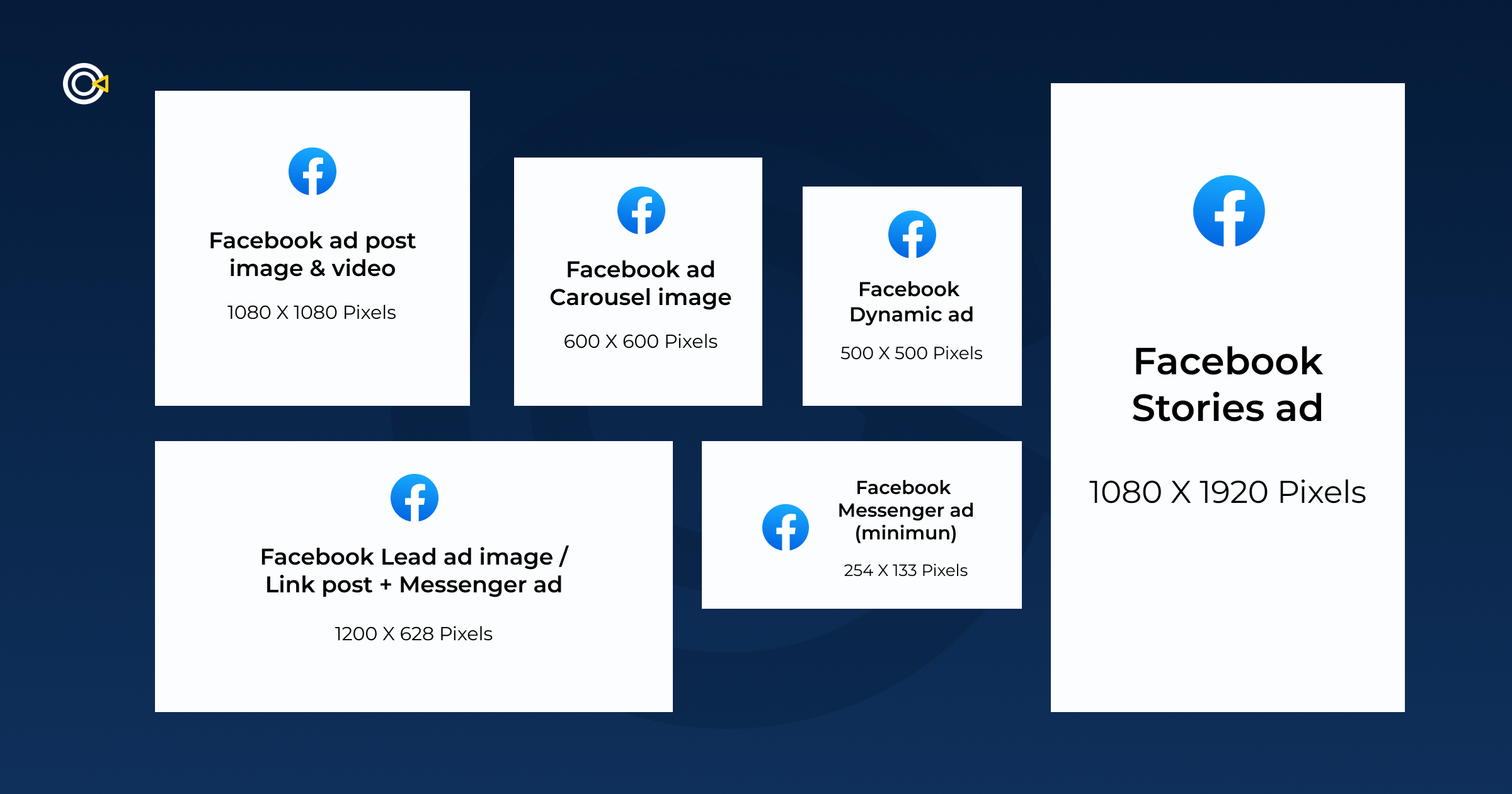
Getting your Facebook ad size wrong costs money. Small businesses lose thousands in wasted impressions when creatives get cropped, compressed, or rejected entirely. This guide consolidates every specification you need—from feed posts to Reels—so your campaigns launch flawlessly across Meta’s ecosystem. Whether you’re a solopreneur managing your first campaign or an SME scaling cross-platform, these facebook ad dimensions eliminate guesswork and protect your budget.
Why Exact Facebook Ads Measurements Matter for Small Budgets
Every entrepreneur has faced the frustration: you design a stunning product shot, upload it to Ads Manager, and discover the headline gets truncated or the video gains mysterious black bars. These aren’t cosmetic issues. Meta’s algorithm favors ads that meet technical specifications, rewarding compliant creatives with lower CPMs and broader delivery.
Small businesses face disproportionate penalties from sizing errors. While enterprise advertisers have design teams and automated compliance tools, SMEs often learn through trial and expensive error. A carousel image cropped awkwardly can reduce click-through rates by 40%. A Story ad with text overlapping the UI zone tanks engagement before the campaign gathers data.
Understanding meta ad specs isn’t technical trivia—it’s competitive advantage. When your creative meets platform requirements perfectly, you capture attention faster, communicate value clearer, and convert browsers into buyers at lower cost per acquisition.
Facebook Feed Ad Dimensions: Your Primary Battleground
The News Feed remains Meta’s highest-intent placement. Users scroll actively here, making it prime real estate for conversion-focused campaigns. But this density demands precision.
Single Image Specifications
For static facebook ad image size in feeds, aim for 1440 × 1440 pixels (1:1 ratio) or 1440 × 1800 pixels (4:5 vertical). These resolutions maintain crispness across devices while maximizing screen real estate on mobile. The platform accepts images as small as 600 × 600 pixels, but upscaling degrades quality noticeably.
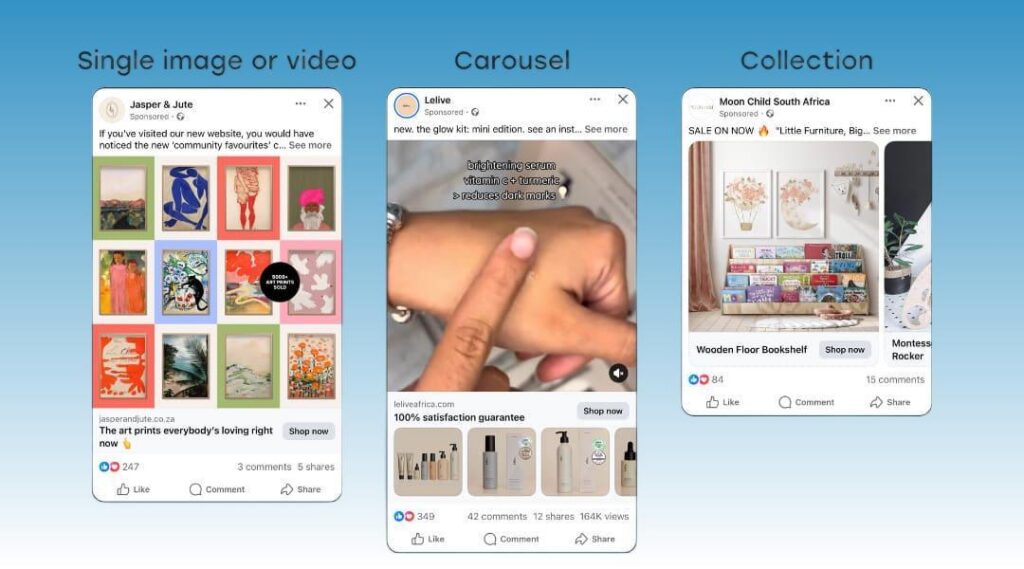
File requirements: JPG or PNG formats only, with a 30 MB ceiling. Aspect ratios between 1.91:1 and 4:5 work, though vertical formats (4:5) exclusively serve mobile users—desktop placements automatically crop these to square. If you run offer campaigns or use stock photography, Meta restricts you to 1.91:1 landscape orientation.
Critical text constraint: Headlines truncate aggressively at 27 characters on most devices. Primary text displays roughly 125 characters before hiding behind “See More.” Front-load your value proposition. Lead with the discount percentage, the unique benefit, or the emotional trigger—never bury it below the fold.
Video Feed Specifications
Video dominates engagement metrics, but facebook ads measurements for motion content differ subtly from static images. Recommended resolutions mirror image specs: 1440 × 1440 (square) or 1440 × 1800 (vertical). However, video supports broader ratios from 16:9 to 9:16, though Meta often masks these to 4:5 on mobile feeds.
Technical parameters: MP4, MOV, or GIF formats accepted up to 4 GB. Duration spans 1 second to 241 minutes—though practical effectiveness drops sharply after 60 seconds for prospecting campaigns. H.264 compression with square pixels and progressive scan ensures smooth playback. Always include captions; 85% of feed video plays silently.
Vertical Formats: Stories and Reels Dimensions
Mobile-first consumption demands full-screen creative. Stories and Reels represent Meta’s fastest-growing inventory, particularly for reaching Gen Z and millennial demographics.
Story Ad Specifications
Stories occupy the entire screen, requiring 9:16 aspect ratio at 1080 × 1920 pixels minimum. This format demands strategic composition. Meta’s interface overlays critical UI elements—profile bubbles at top, swipe-up CTAs at bottom—that obscure roughly 14% of the top and 20% of the bottom of your frame.
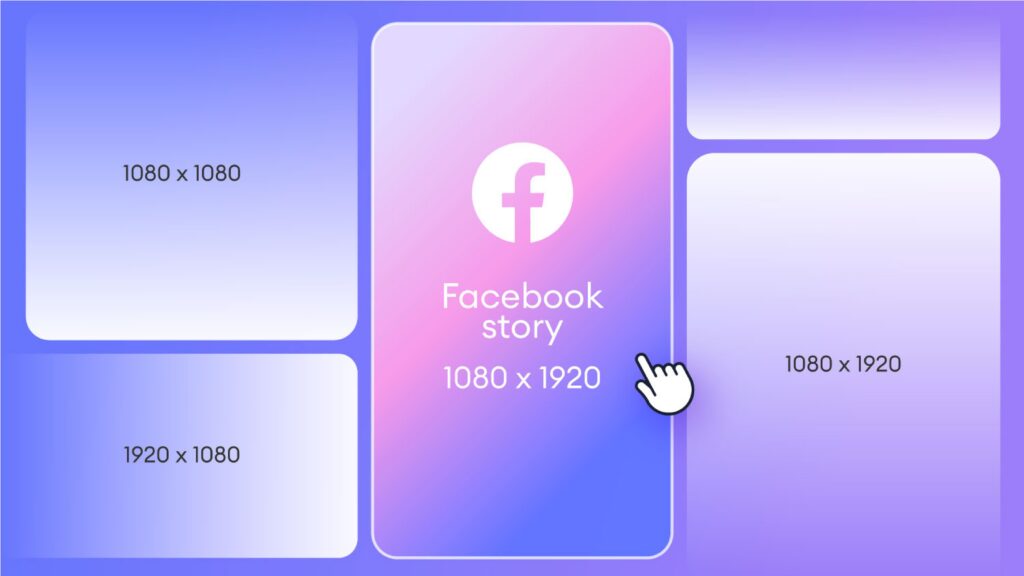
Design within safe zones. Place branding, product hero shots, and primary messaging in the central 66% of the canvas. Text or logos positioned at screen edges get covered, wasting impressions and confusing viewers.
Image Stories: JPG or PNG, 30 MB maximum, displaying for 5 seconds automatically.
Video Stories: MP4 or MOV, 4 GB maximum, duration from 1 second to 2 minutes. Videos under 10 seconds play continuously; longer content splits into sequential cards with “Play Full” prompts.
Reels Ad Measurements
Reels ads follow identical fb ad dimensions to Stories—9:16 vertical at 1080 × 1920. However, Reels audiences expect faster pacing and entertainment value. These placements interrupt entertaining short-form content; your advertisement must match that energy or face immediate swipes.
Sound design matters more here than any other placement. While feed videos play silently, 70% of Reels viewers enable audio. Use trending audio tracks, clear voiceovers, or strategic sound effects. Auto-captioning isn’t supported for Reels ads, so burn subtitles directly into your video file.
Pro tip for SMEs: Reels offer lower CPMs than feed placements currently, making them cost-effective testing grounds for creative concepts before scaling to broader audiences.
Carousel and Collection: Multi-Asset Facebook Banner Specs
When single images can’t tell your complete story, sequential formats drive deeper engagement.
Carousel Ad Dimensions
Carousels display 2–10 scrollable cards, each with independent headlines, descriptions, and destination URLs. This format excels for product catalogs, feature highlights, or step-by-step tutorials.
Image requirements: 1080 × 1080 pixels minimum, 1:1 square ratio (4:5 available exclusively for Advantage+ catalog campaigns). JPG or PNG, 30 MB per image. All cards should maintain consistent aspect ratios—mixed sizing forces awkward cropping.
Video carousels: Support MP4/MOV/GIF at 4 GB per card, durations from 1 second to 240 minutes (though 15–60 seconds optimizes completion rates).
Text allocation: Each card permits 18-character descriptions and 45-character headlines. The carousel’s primary text field allows 80 characters—shorter than feed ads, demanding extreme copy discipline.
Strategic sequencing matters. Your first card stops the scroll; subsequent cards close the sale. Place your bestselling product or strongest offer in position one. Use the final card for clear call-to-action reinforcement.
Collection Ad Specifications
Collection ads combine a hero video or image with three supporting product shots beneath, opening into full-screen Instant Experiences upon click. These meta ad specifications require:
- Cover media: 1080 × 1080 minimum, 1:1 ratio (images) or flexible ratios masked to 1:1 (video)
- Product images: Automatically pulled from catalog, displayed at 1:1
- File limits: 30 MB images, 4 GB video
- Character counts: 40-character headlines, 125-character primary text
This format suits ecommerce SMEs with structured product catalogs. The Instant Experience loads 15× faster than mobile websites, reducing bounce rates significantly. However, building compelling Instant Experiences requires additional creative resources—factor this production cost into testing budgets.
Specialized Placements: Right Column, Marketplace, and In-Stream
Not all inventory serves every objective. Understanding niche facebook advertisement size requirements prevents campaign rejection and expands reach strategically.
Right Column Ads
Desktop-only placements appearing beside the News Feed. These support static images only at 254 × 133 pixel minimums, though 1080 × 1080 ensures crispness. Aspect ratios from 1.91:1 to 1:1 function, but the small display size (roughly one-third of feed ad dimensions) demands minimal text and high-contrast visuals.
These placements suit retargeting campaigns targeting desktop users during work hours—B2B services, software subscriptions, or high-consideration purchases where detailed comparison happens on larger screens.
Marketplace Specifications
Marketplace ads reach users with active purchase intent, browsing local and shipped products. Specifications mirror feed ads (1080 × 1080 minimum, 1:1 ratio, 30 MB images) but the context demands different creative approaches.
Users compare your ad directly against adjacent listings. Price transparency, local availability badges, and clear product condition indicators outperform glossy lifestyle imagery here. The 40-character headline and 30-character description fields require concise value communication.
In-Stream Video Placements
These interrupt publisher content—sports highlights, cooking tutorials, entertainment clips—after 15 seconds of primary video. Specifications demand 16:9 or 1:1 ratios, 1080 × 1080 minimum resolution, and strict duration limits: 5–15 seconds on desktop, 5 seconds to 10 minutes on mobile.
Completion rates determine in-stream success. Users tolerate pre-roll interruptions poorly; front-load branding within 3 seconds and deliver complete messages within 15 seconds for prospecting campaigns.
Cross-Platform Optimization: Meta Ad Specs for Instagram
Most SMEs run unified campaigns across Facebook and Instagram. While meta ad sizes increasingly harmonize, critical differences persist.

Feed uniformity: Instagram accepts identical image dimensions to Facebook (1080 × 1080 to 1440 × 1800). However, Instagram’s aesthetic favors higher contrast, brighter saturation, and more aggressive cropping. Test creative variants rather than simply duplicating Facebook assets.
Hashtag functionality: Instagram permits 30 hashtags versus Facebook’s negligible hashtag engagement. When creating cross-platform ads, include relevant hashtags in primary text—they’ll index on Instagram without harming Facebook performance.
Character handling: Instagram headlines allow 40 characters versus Facebook’s 27, offering slightly more flexibility. However, truncation behaviors vary by device, so pressure-test copy on multiple screen sizes.
Story differences: Instagram Stories support identical technical specs to Facebook Stories, but audience expectations differ. Instagram users anticipate more polished, influencer-style content versus Facebook’s casual, community-oriented tone. Adapt creative styling accordingly without changing fb ad size parameters.
Technical Compliance: Avoiding Common Rejection Triggers
Understanding facebook ad size specs prevents upload errors. Understanding policy compliance prevents campaign rejection.
Text overlay limits: While Meta eliminated the formal 20% text rule, image-based text still triggers delivery penalties. Keep text minimal, using captions and primary text fields for messaging. Tools like Meta’s Image Text Check preview impact.
Safe zone violations: Stories and Reels ads with CTAs or logos positioned at screen edges receive “Low Quality” flags, suppressing distribution. Respect the 250-pixel top and 340-pixel bottom margins religiously.
File compression artifacts: Uploading 30 MB PNG files doesn’t improve quality if source images lack resolution. Conversely, over-compressed JPGs show banding and blocking. Aim for 80% quality compression at target dimensions rather than maximum file size utilization.
Sound synchronization: Videos with audio tracks desynchronized from visuals—common when converting from broadcast specifications—face rejection. Verify sync in native playback before upload.
2026 Trends: Evolving Meta Ad Specifications
Platform specifications shift constantly. SMEs must monitor three emerging changes:
AI-generated creative acceptance: Meta increasingly permits AI-generated imagery, provided it meets standard technical specs and discloses synthetic media for political or social issue ads. Expect automated background generation and text-to-image tools integrated directly into Ads Manager.
Aspect ratio flexibility: Dynamic Creative Optimization now auto-crops single uploads into multiple ratios. While convenient, automated cropping often decapitates subjects or crops critical details. SMEs should still create native aspect ratio variants for brand-critical campaigns.
Reels supremacy: Meta allocates increasing inventory share to Reels across both Facebook and Instagram. Vertical facebook ads dimensions (9:16) deserve priority in 2026 creative planning, potentially surpassing square formats as the default specification.
Conclusion
Precision in facebook ad dimensions separates professional campaigns from amateur efforts. Global SMEs can’t afford wasted impressions or rejected creatives. Master these specifications, build compliant templates, and redirect saved troubleshooting time toward creative strategy and audience testing. Your advertising dollars work harder when technical execution disappears into the background, letting message and offer take center stage.
Ready to turn your target audience into actual sales? Skip the spreadsheets and launch winning Meta ads in 1 min—paste your URL, pick a campaign, and let Didoo AI Agent do the rest. Start your free 7-day trial today and watch tomorrow’s revenue advertise itself.FAQ: Facebook Ad Size Essentials
Use 1080 × 1080 pixels (1:1) for images and 1080 × 1920 (9:16) for video Stories/Reels. These meet minimum requirements everywhere while allowing platform-specific cropping without quality loss.
Technically yes, but performance varies. Instagram audiences expect more visual polish and faster pacing. Test platform-specific variants before scaling budgets.
Meta applies heavy compression during upload. Export images at exactly target dimensions (1440px width for feeds) rather than uploading larger files hoping for quality retention.
Videos approaching the 4 GB limit upload slowly and may process incorrectly. Aim for 50–100 MB for 15-second spots, 200–500 MB for 60-second content. Use HandBrake or similar tools for efficient H.264 compression.
Minor deviations trigger automatic cropping, often removing focal points. Major mismatches cause rejection. Always preview ads in Ads Manager’s placement preview tool before submission.
For more on this topic, see our guide on Facebook Ads Not Delivering. For more on this topic, see our guide on FB Ads for SMEs.